
A lot of people here ask whether you can do affiliate marketing without paying for tools. With Systeme.io's free plan you can get surprisingly far, so here's the complete setup I'd use, step by step, based on what the free plan includes as of November 2026. It's long, but it's everything from picking the offer to the email sequence.
What the free plan gives you for this
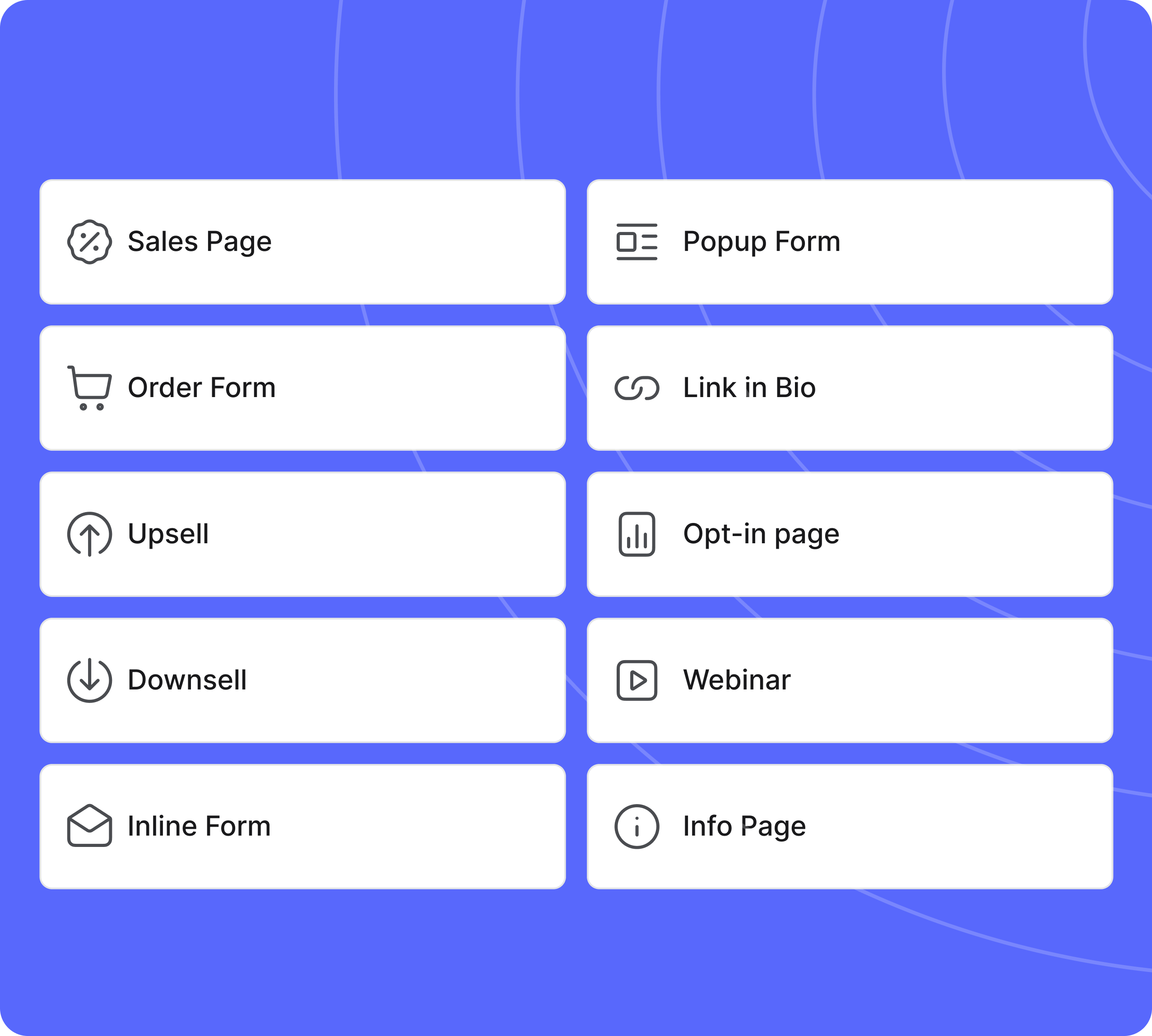
The funnel builder you'll use for all three pages (image: Systeme.io)
Step 1: pick the offer before you build anything
The freebie should solve a small part of the problem the product solves. Good formats:
Step 3: build the funnel (3 steps, one funnel)
Page 1, opt-in page.
A bridge page template you can copy
Keep it under 400 words. A structure that works:
Your one automation rule: when someone subscribes on page 1, add the tag "lead-checklist" and subscribe them to your campaign. That's the whole automation on the free plan, and it's all this funnel needs.
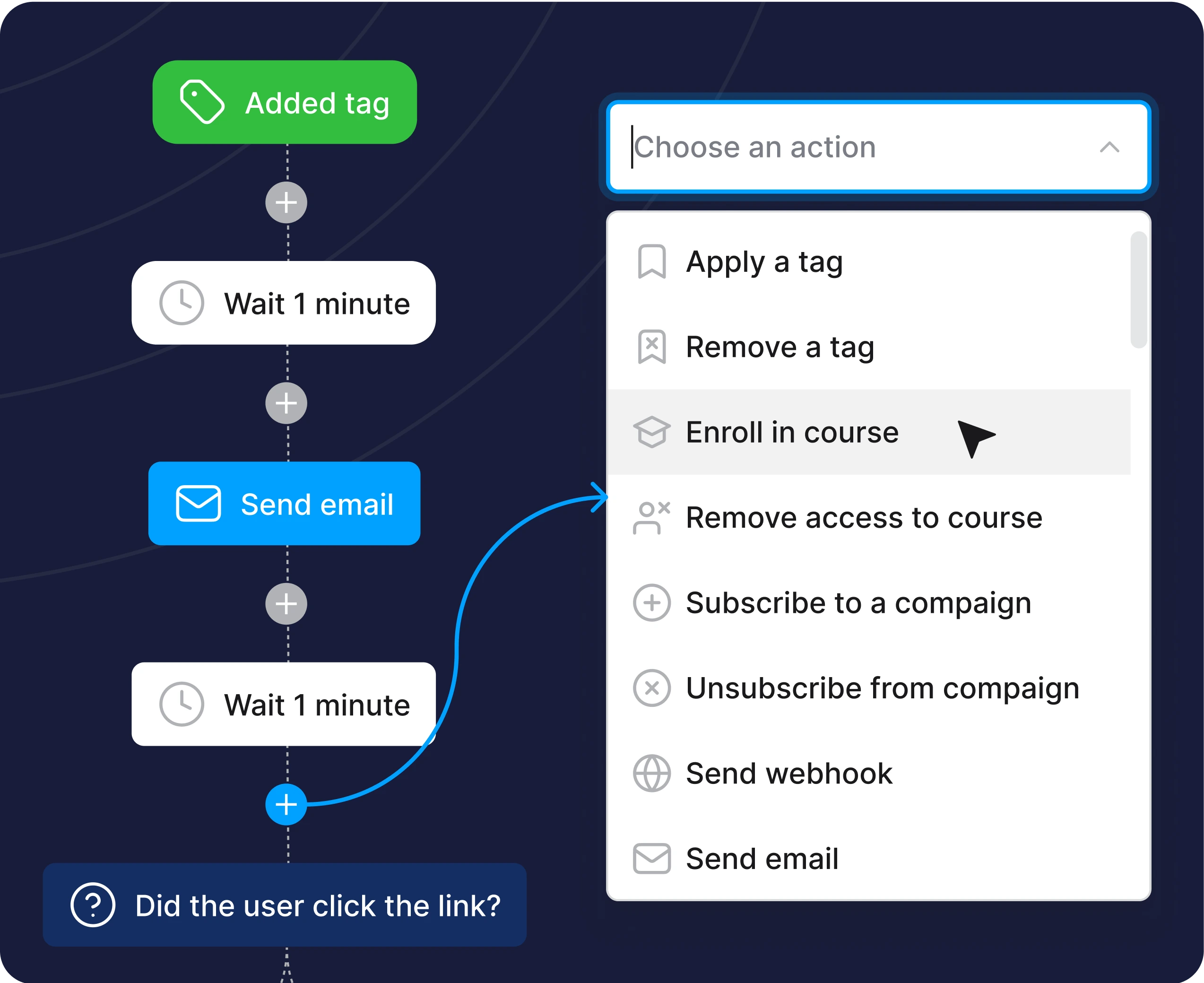
Automation rules and workflows (image: Systeme.io)
Step 5: the 7-email sequence
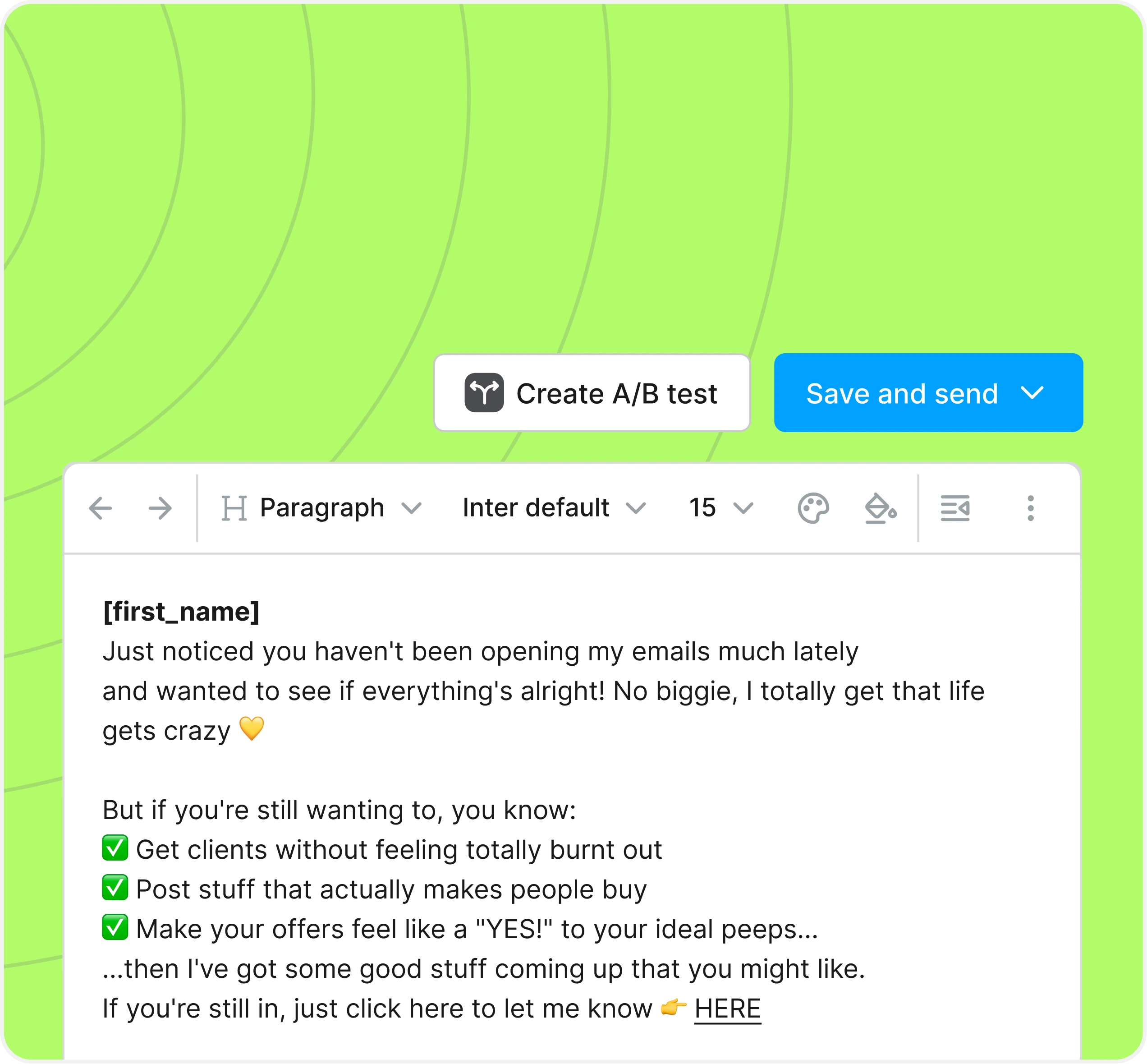
Writing the sequence in Systeme.io's email editor (image: Systeme.io)
Part 2 (a worked example, traffic, tracking, the mistakes that get funnels flagged, and an FAQ) is in my next post below.
Full review with every plan's limits and the fine print (disclosure: affiliate links on that page): https://crowe123.systeme.io/reviews/systeme-io-review
👉 Want to build this funnel? Start your free Systeme.io account here (no credit card, and the free plan never expires).
Affiliate link: I earn a commission if you sign up, at no extra cost to you.
What the free plan gives you for this
- 2,000 contacts and unlimited email sends
- 3 funnels with up to 15 steps in total
- 1 email campaign (one automated sequence)
- 1 automation rule and 1 workflow
- 1 website, 1 blog and 1 custom domain
- 0% transaction fees
The funnel builder you'll use for all three pages (image: Systeme.io)
Step 1: pick the offer before you build anything
- Recurring beats one-off. Software and memberships pay every month. A $30/month tool at 40% is $12 a month per customer, for as long as they stay.
- Check the program's rules before you build: some ban email promotion, brand-name domains or paid ads on their name.
- Check demand: search "[product] review" and "[product] pricing" and look at what ranks. If forum threads and Q&A pages show up, that's traffic you can reach without ads.
- Pick something you can explain honestly. Your bridge page and emails need real details: prices, limits, who it's for. If the sales page hides the price, that's a warning sign.
The freebie should solve a small part of the problem the product solves. Good formats:
- A one-page checklist ("12 things to set up before launching your first course")
- A comparison sheet ("3 email tools compared: prices and limits in 2026")
- A short template pack (email templates, page outlines)
- A 5-day email course delivered by the sequence itself
Step 3: build the funnel (3 steps, one funnel)
Page 1, opt-in page.
- Headline that names the result: "Get the 12-point launch checklist".
- Three bullets on what's inside, an email field and a button.
- One line of privacy reassurance. No navigation, no other links.
- Deliver the freebie right there (download button), so people don't have to wait for the email.
- Under it: "While you're here, the tool I'd use for this is…" with a button to page 3.
- Your short, honest take: what the product does, the price, who it's for, who it isn't for, and one limitation.
- One clear button with your affiliate link.
- A one-line disclosure: "I earn a commission if you buy through this link, at no extra cost to you."
A bridge page template you can copy
Keep it under 400 words. A structure that works:
- One-line hook: "If you're stuck on [problem], this is the tool I'd look at first."
- What it is, in plain words: two sentences, no hype.
- The price: the real number and what the cheapest plan includes. People trust a page that shows the price.
- Three things it does well: short bullets, each tied to the reader's problem.
- One honest limitation and who should skip it.
- The button: "See the current plans" works better than "Buy now" on a bridge page.
- Disclosure line under the button.
Your one automation rule: when someone subscribes on page 1, add the tag "lead-checklist" and subscribe them to your campaign. That's the whole automation on the free plan, and it's all this funnel needs.
Automation rules and workflows (image: Systeme.io)
Step 5: the 7-email sequence
- Day 0, "Here's your checklist": deliver it again, say who you are in two lines, tell them what's coming.
- Day 1, "The mistake on point 4": one useful tip from the checklist, then a soft mention of the tool that solves it, with the link.
- Day 3, "What I'd do with $0": pure value, no link. Builds trust.
- Day 5, "[Tool] vs the alternatives": honest comparison with prices. The link goes here.
- Day 7, "A question from a reader": answer a real objection (price, learning curve, refunds). Value first.
- Day 10, "The catch nobody mentions": the product's real limitation and who should skip it. Being honest here raises clicks.
- Day 14, "Last one in this series": summary, the link, and an invitation to reply with questions.
Writing the sequence in Systeme.io's email editor (image: Systeme.io)
Part 2 (a worked example, traffic, tracking, the mistakes that get funnels flagged, and an FAQ) is in my next post below.
Full review with every plan's limits and the fine print (disclosure: affiliate links on that page): https://crowe123.systeme.io/reviews/systeme-io-review
👉 Want to build this funnel? Start your free Systeme.io account here (no credit card, and the free plan never expires).
Affiliate link: I earn a commission if you sign up, at no extra cost to you.
Last edited: